
Common name
Ariake Stingray.
Binomial
Hemitrygon ariakensis.
Synonyms
None.
Identification
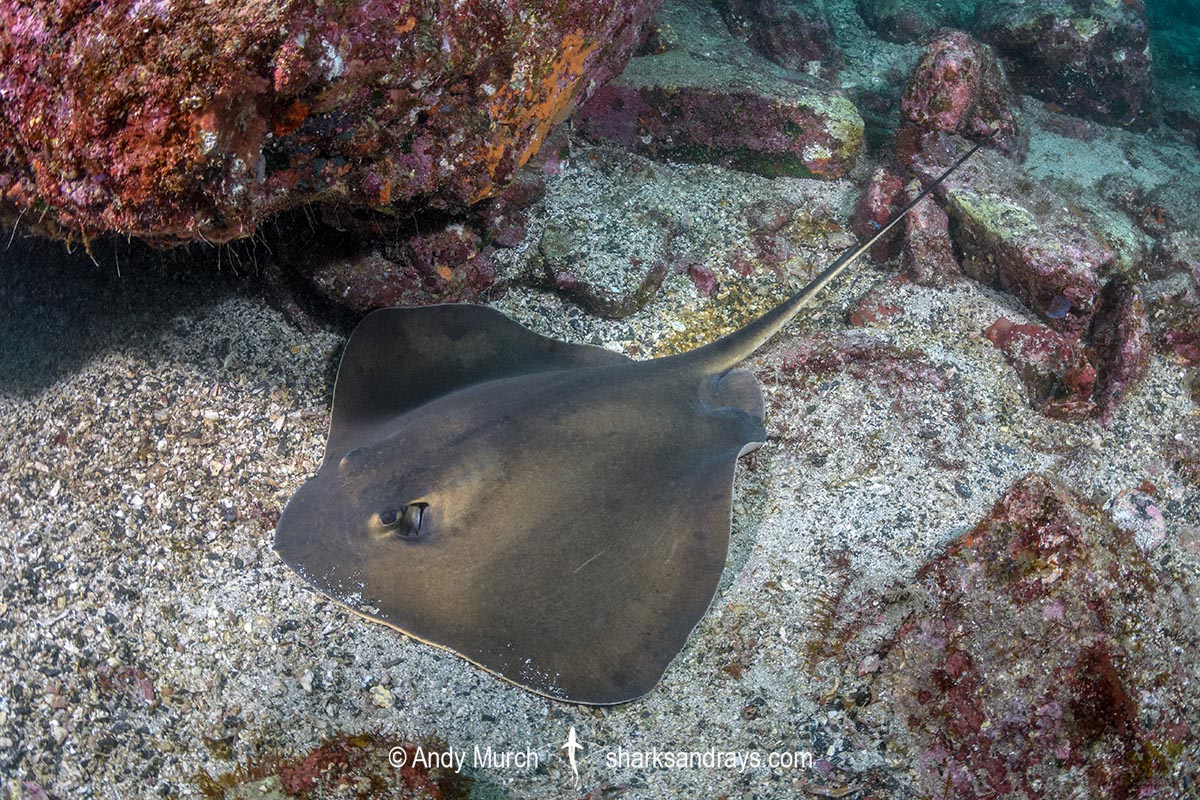
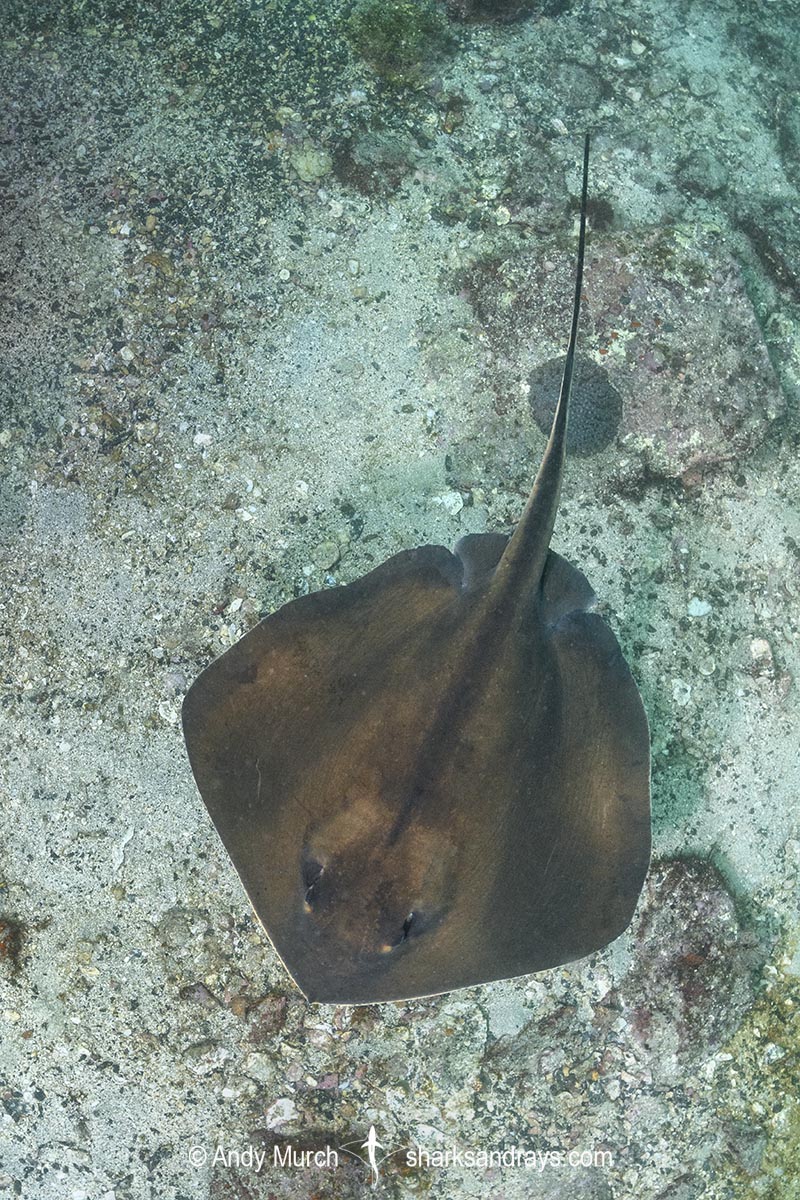
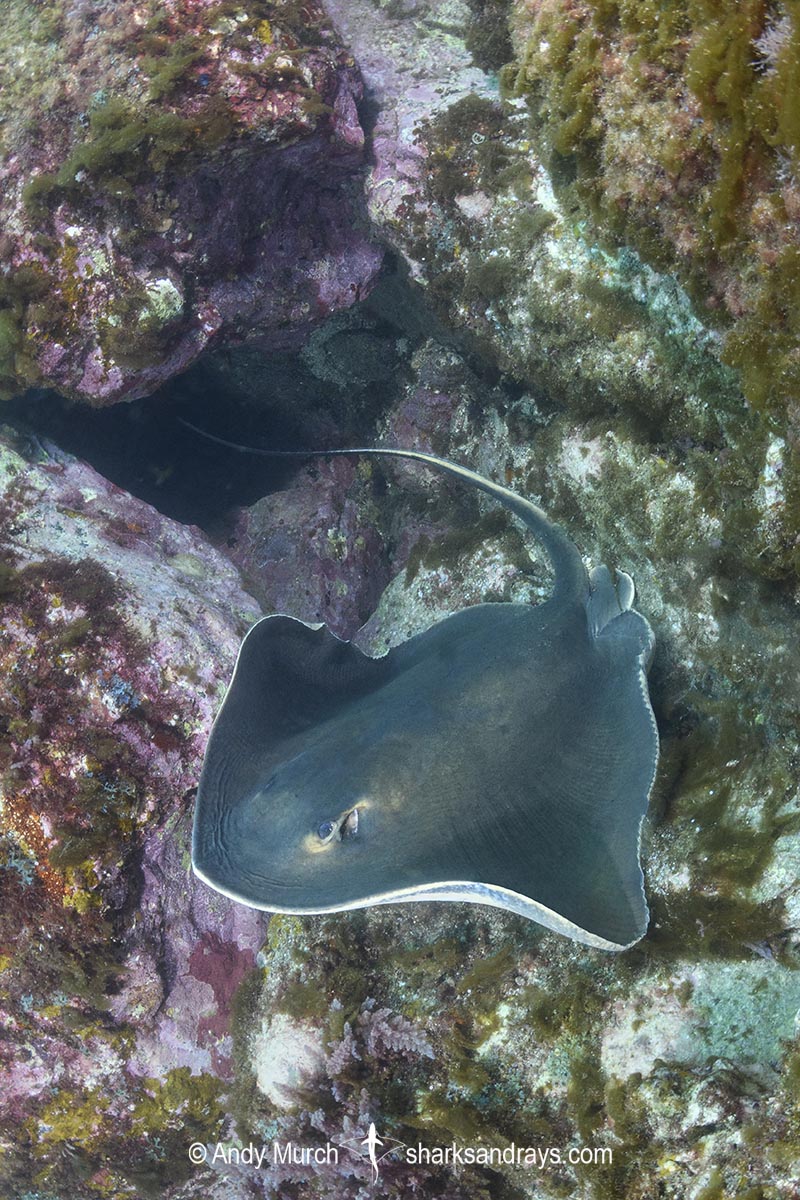
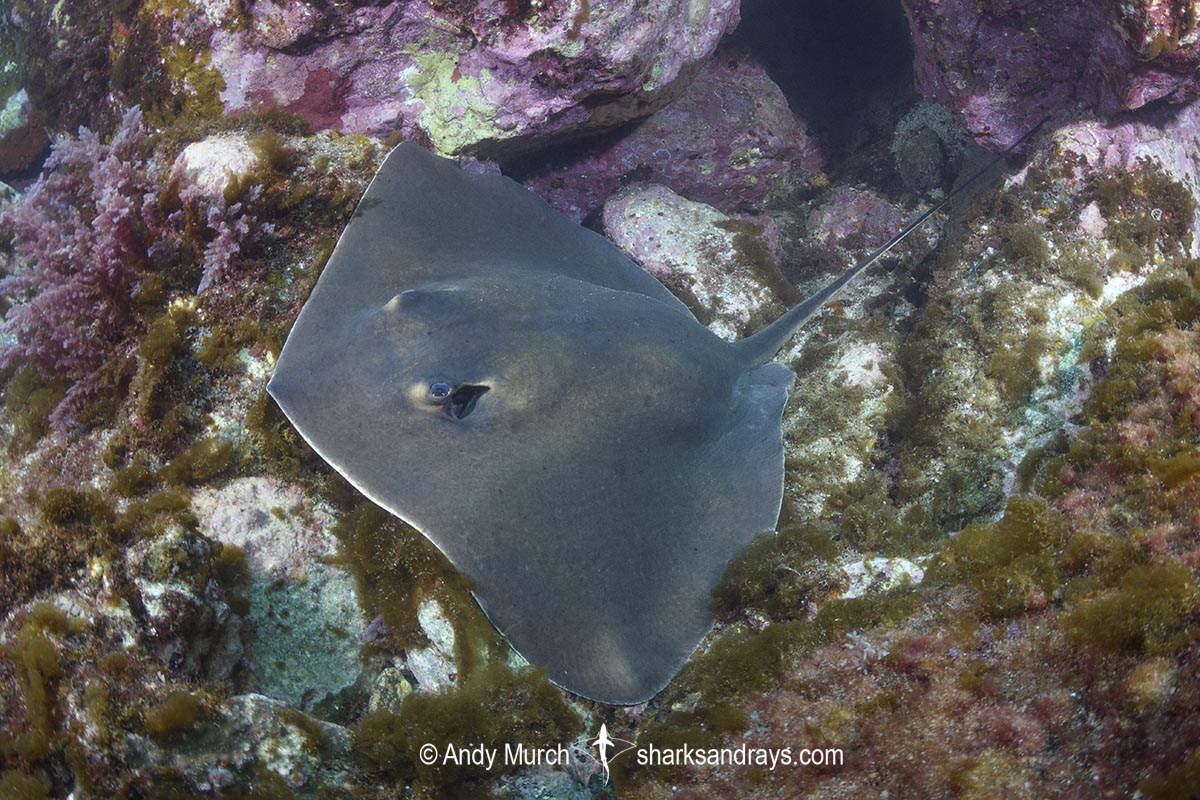
A medium-sized stingray with a kite-shaped disc that is slightly wider than long; disc width approximately 1.09-1.23 x length. Snout obtusely angular with a small protruding tip. Anterior margins of disc straight; slightly convex towards apex. Pectoral fin apices obtusely angular or somewhat rounded. Pelvic fins fairly long with tightly rounded apices.
Eyes small. Preorbital snout length 1.33–1.97 times interorbital width.
Mouth contains 3-9 oral papillae. Deep labial furrows around mouth. Lower jaw concave at symphysis. Short, wide, skirt shaped nasal curtain with a weakly fringed margin. Nostrils narrowly ovoid. Transverse groove present; positioned centrally on ventrum posterior to gills. Groove highly variable; ranging from small dots to adjoining arcs.
No enlarged midline thorns. Row of small thorns along midline. Thorns absent in juveniles. Dermal denticles between eyes and on central anterior snout.
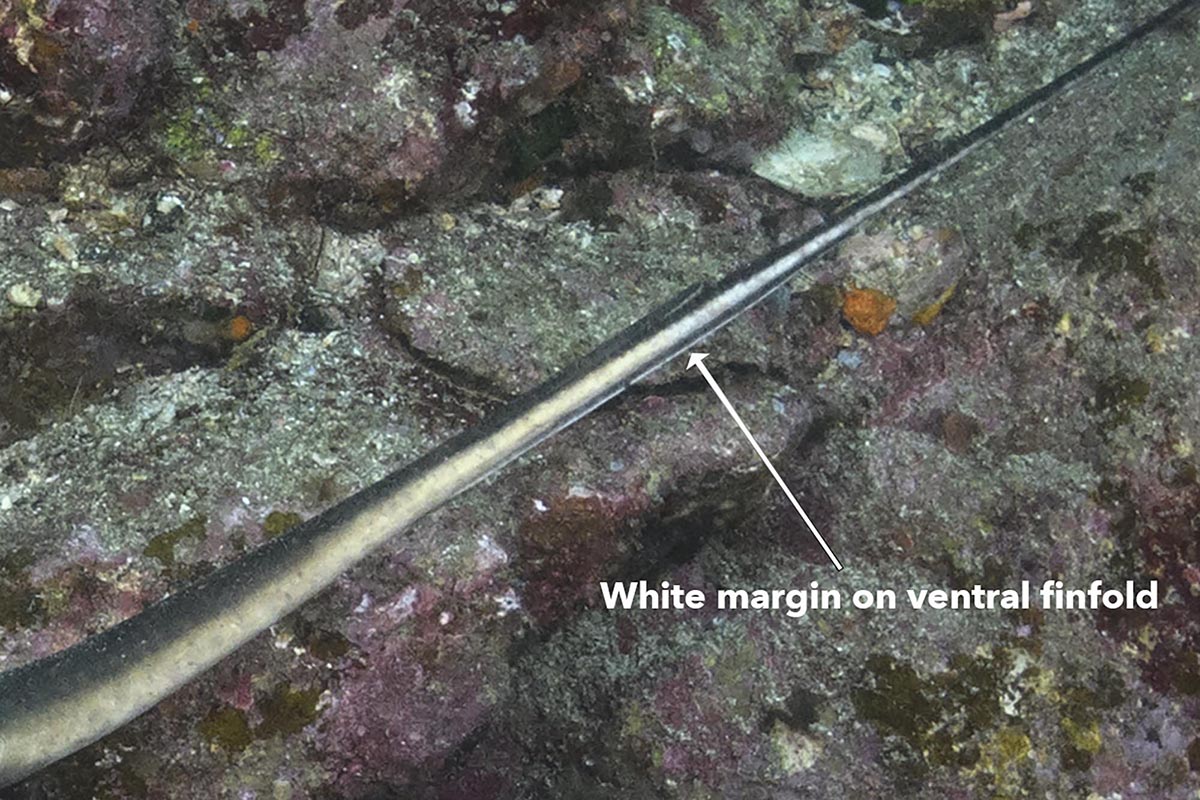
Tail somewhat depressed at base, gradually tapering to tail sting, then narrow to tip. Tail length (when intact) less than 1.07-2.26 x pre-cloacal disc width. Ventral finfold short; average .33 x disc width. Dorsal finfold an indistinct ridge. 1-2 tail stings usually present.
Colour
Dorsum mid to dark brown with yellowish patches anterior to eye and on upper posterior margin of spiracle. Ventrum white with a bright yellow to brown margin; margin narrow anteriorly, wide posteriorly, intersection angular.
Dorsal surface of tail brown; darkening to tip. Sides of tail yellow to white. Ventral surface of tail dark. Ventral finfold dark with a distinctive white margin
Size
Maximum disc width 66cm. Disc width at birth unknown.
Conservation Status
NOT EVALUATED
Pre December 2025, Hemitrygon ariakensis was fished as Hemitrygon akajei. The latter is a targeted species and a common bycatch in trawl, set net, gillnet, and longline fisheries. It is considered abundant in South Korea and still relatively common in Japan and China, but catch statistics indicate that it has declined by 65% in Taiwan in the last 36 years.
The Ariake Stingray (H. ariakensis) is presently thought to have a much smaller range centred in western Kyushu, leaving it more susceptible to overfishing than the wider ranging red stingray (H. akajei).
Habitat
Warm temperate / sub-tropical seas. On soft substrates, sometimes adjacent to reefs. From 5 to 190m.
Distribution
Northwest Pacific Ocean in Western Japan. From Kyushu to southwest Honshu and western side of Shikoku. Common in Ariake Bay.
Reproduction
Matrotrophic aplacental viviparity. Litter size unknown.
Diet
Diet probably consists mostly of crustaceans and small benthic fishes, and occasionally annelid worms.
Behavior
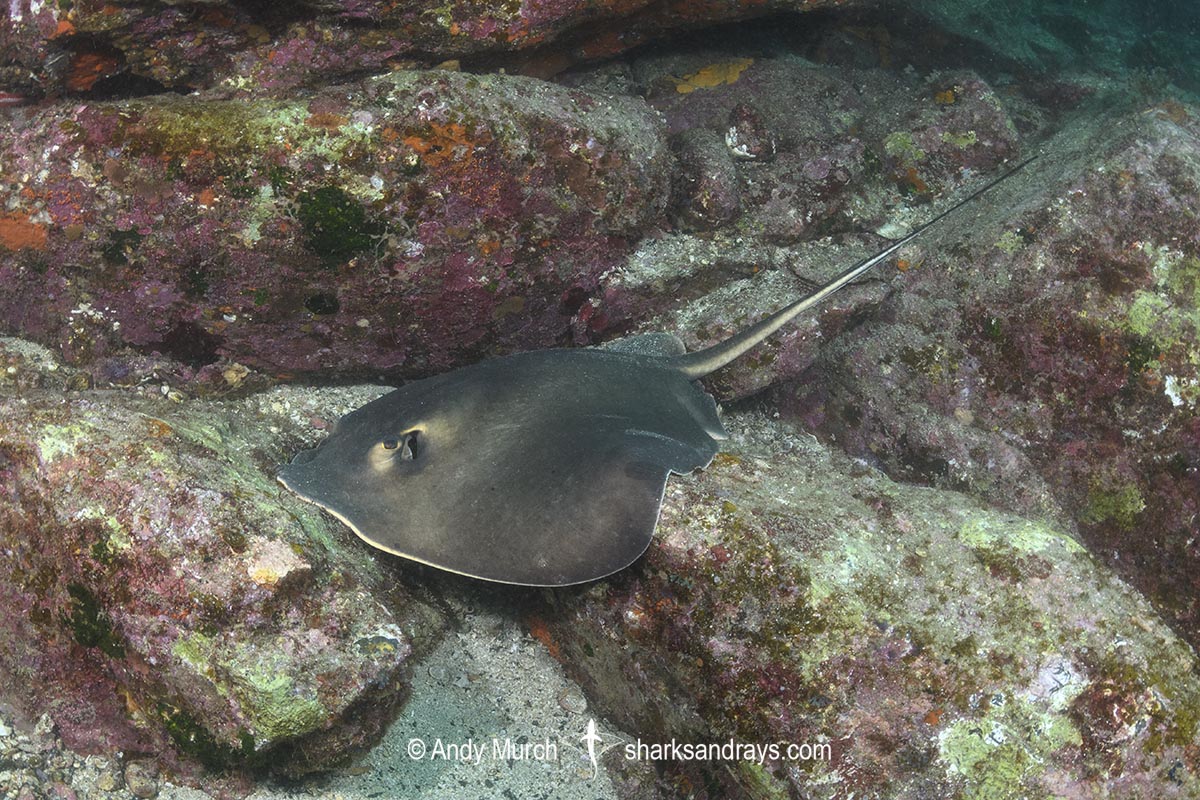
The Ariake stingray spends much of the day resting on the substrate, but also known to swim high above the reef, sometimes in groups.
Reaction to divers
Relatively shy. Will bolt when approached closely.
Diving logistics
Ariake stingrays are relatively common in Ariake Bay and along the southwestern coast of Kyushu. I was able to photograph multiple animals during all boat dives near Minami-Osumi, south of Kagoshima.
What’s new
View our full list of updates
Similar species
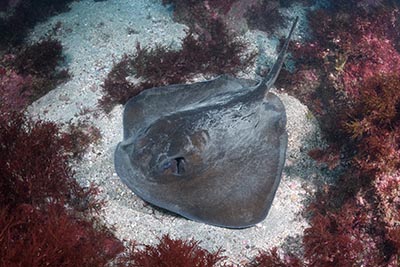
Izu Stingray Distinguished by shorter, more rounded snout and white ventral finfold.
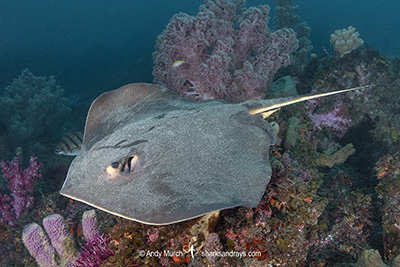
Red Stingray Extremely similar. Distinguished in the field by black ventral finfold.
